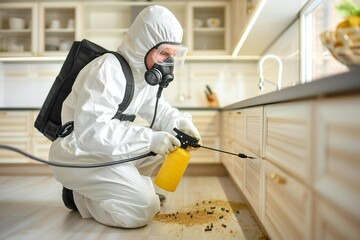
A clean and comfortable home can quickly become stressful when unwanted pests begin to appear. It might start with ants crawling across the kitchen counter, scratching sounds behind the walls at night, or a cockroach darting across the floor when the lights turn on. These small signs often indicate a larger issue hiding out of sight. Household pests are more than just annoying visitors because many of them can damage property, contaminate food, and create health concerns for families.
Many homeowners assume pest problems only happen in dirty or neglected homes, but that is far from the truth. Even spotless houses can attract pests looking for food, water, warmth, and shelter. Understanding the most common household pests and learning how to prevent them can help homeowners protect their property and maintain a healthier indoor environment throughout the year. Contact your local Port St Lucie Pest Control company for more information.
Why Household Pests Are So Common
Pests are naturally drawn to environments that provide easy access to survival needs. Homes offer warmth during cold weather, moisture during dry conditions, and plenty of food sources. Crumbs on the floor, standing water under sinks, and cluttered storage areas can all attract unwanted pests.
Changes in weather also influence pest activity. During colder months, rodents and insects often move indoors to escape harsh outdoor conditions. Heavy rain can drive pests into dry areas, while warm temperatures increase insect breeding and activity.
Modern homes also contain countless small entry points. Tiny cracks around doors, windows, pipes, and foundations allow pests to enter unnoticed. Once inside, they can reproduce quickly and spread throughout the property.
The key to preventing infestations is understanding which pests are most likely to invade homes and recognizing the warning signs before the problem becomes severe.
Ants and Why They Invade Homes
Ants are among the most common household pests because they are constantly searching for food and water. Even small crumbs or sugary spills can attract large numbers of ants within a short period of time. Kitchens, dining areas, and pantries are especially vulnerable because they provide easy access to food sources.
Ant colonies often establish trails between their nests and food locations. Once a trail is created, more ants quickly follow. Homeowners may notice lines of ants along countertops, walls, or floors as they travel back and forth.
Although many ant species are mostly a nuisance, some can cause structural damage or contaminate food. Moisture problems around sinks and leaking pipes can also attract ants looking for water.
Keeping food sealed, cleaning spills immediately, and sealing cracks around entry points can help reduce ant activity indoors. Regular sanitation is one of the most effective ways to discourage infestations before they grow larger.
Cockroaches and the Health Risks They Bring
Cockroaches are another common household pest that can survive in a variety of indoor environments. They prefer warm, dark, and damp areas such as kitchens, bathrooms, basements, and laundry rooms. Cockroaches are mainly active at night, which means homeowners may not notice them until the infestation becomes serious.
One of the biggest concerns with cockroaches is their connection to bacteria and allergens. They can contaminate food surfaces and contribute to poor indoor air quality. Their droppings and shed skin may trigger allergies or respiratory irritation in sensitive individuals.
Cockroaches are extremely resilient and capable of hiding in tiny cracks and crevices. They often enter homes through drains, gaps around doors, or items brought indoors from infested areas.
Preventing cockroaches usually involves reducing moisture, improving cleanliness, and eliminating hiding spots. Trash should be removed regularly, food should never be left uncovered overnight, and leaks should be repaired quickly to reduce attractive conditions for roaches.
Rodents and Their Destructive Behavior
Mice and rats are some of the most destructive household pests because they chew constantly to keep their teeth from overgrowing. This behavior can damage insulation, wood, plastic, and electrical wiring. Damaged wires are especially dangerous because they increase the risk of electrical fires.
Rodents are also known for spreading bacteria through droppings and urine. They frequently invade kitchens, storage areas, attics, and basements where they can find food and nesting materials.
One reason rodent infestations grow quickly is their rapid reproduction. A small mouse problem can turn into a major infestation within a relatively short period of time if left untreated.
Signs of rodents include scratching sounds at night, droppings, gnaw marks, and chewed food packaging. Homeowners may also notice unusual smells coming from hidden nesting areas.
Sealing entry points is one of the best ways to prevent rodents from entering the home. Since mice can squeeze through extremely small gaps, even tiny openings should be repaired. Proper food storage and clutter reduction also help limit rodent activity.
Termites and Hidden Structural Damage
Unlike many pests that create immediate visible problems, termites often remain hidden for long periods while causing significant structural damage. These pests feed on wood and other cellulose based materials, making homes particularly vulnerable.
Termites typically invade through foundations, crawl spaces, or areas with excess moisture. Once inside, they tunnel through wooden structures from the inside out. Because the damage is hidden, homeowners may not realize there is a problem until walls, floors, or furniture become weakened.
Signs of termite activity include hollow sounding wood, discarded wings, mud tubes along walls, and bubbling paint surfaces. Unfortunately, by the time these signs appear, extensive damage may already exist.
Regular inspections are important because early detection can prevent expensive repairs. Moisture control also plays a major role in termite prevention. Fixing leaks, improving drainage, and reducing damp conditions around the home can help discourage termite activity.
Bed Bugs and Their Growing Presence
Bed bugs have become increasingly common in residential properties over the years. These tiny insects feed on human blood and are often found hiding near beds, mattresses, furniture, and fabric surfaces. Unlike some pests, bed bugs are not attracted by dirt or poor sanitation. They are usually introduced through luggage, clothing, used furniture, or shared living spaces.
One of the biggest challenges with bed bugs is their ability to hide in extremely small spaces. They are active mostly at night and often remain unnoticed during the early stages of an infestation.
Many people first discover bed bugs after waking up with itchy bites or noticing tiny blood spots on bedding. Because bed bugs reproduce quickly, infestations can spread throughout a home if not treated promptly.
Preventing bed bugs involves inspecting secondhand furniture carefully, washing travel clothing after trips, and monitoring sleeping areas regularly. Early detection is essential because large infestations are much harder to eliminate completely.
Spiders and Other Crawling Insects
Spiders are common household pests that usually enter homes while searching for food or shelter. Most spiders are harmless and actually help reduce insect populations by feeding on smaller pests. However, many homeowners still find them unsettling, especially when webs appear in corners, ceilings, or storage areas.
Spiders are attracted to homes with abundant insect activity because insects provide a steady food source. Reducing other pest populations often helps reduce spider activity as well.
Other crawling insects such as silverfish and centipedes may also invade homes. These pests typically prefer damp and dark environments like bathrooms, basements, and laundry rooms. Although they rarely cause serious damage, they can still become unpleasant household nuisances.
Reducing moisture, improving ventilation, and sealing entry points can help limit these pests indoors. Regular cleaning and decluttering also reduce the hiding places that many crawling insects rely on.
How Preventive Pest Control Protects Homes
Preventive pest control is one of the most effective ways to avoid serious infestations. Waiting until pests become visible often means the problem has already grown significantly. Regular inspections and maintenance allow homeowners to catch issues early before they become more expensive and difficult to manage.
Good sanitation practices are essential for prevention. Food should always be stored properly, spills should be cleaned quickly, and trash should not accumulate indoors. Moisture control is equally important because many pests depend on water sources to survive.
Outdoor maintenance also plays a major role in keeping pests away. Overgrown vegetation, standing water, and piles of debris near the home can attract insects and rodents. Keeping the exterior clean and well maintained reduces the likelihood of pests moving indoors.
Professional pest control services may also help identify risks that homeowners overlook. Routine inspections provide added protection against hidden infestations and long term damage.
Final Thoughts
Household pests are a common problem that can affect almost any home regardless of cleanliness or location. Ants, cockroaches, rodents, termites, bed bugs, and spiders are among the most frequently encountered pests in residential properties. While some pests are mainly annoying, others can cause structural damage, contaminate food, and create serious health concerns.
Understanding what attracts these pests and recognizing the early warning signs can help homeowners respond quickly before infestations grow larger. Preventive maintenance, cleanliness, moisture control, and regular inspections all play important roles in protecting a home from unwanted pests. By staying proactive and addressing issues early, homeowners can create a safer, healthier, and more comfortable living environment throughout the year.