Roof Cleaning Harmony: The Silent Renewal Above Homes

The roof holds stories of weather and time. Its surface takes the brunt of seasons without protest. Yet beneath the dirt and debris lies a structure eager to breathe again. Roof Cleaning is not just maintenance but an act of renewal.
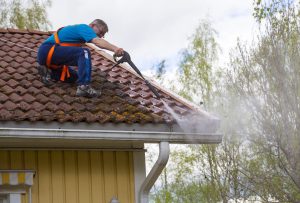
Roof Cleaning

Many overlook how cleaning impacts the home’s inner rhythm. Dirt accumulation blocks natural reflection and temperature balance. Once cleaned, the roof begins to regulate better. The energy efficiency it restores subtly transforms the living space.

A clean roof also shapes perception. It speaks of care and unseen discipline. Homes with bright roofs appear calmer and more inviting. There’s harmony when the top reflects the purity of the space below.

The process itself has evolved in remarkable ways. Traditional scrubbing is giving way to softer, eco-conscious techniques. These methods use low-pressure systems and biodegradable agents. The goal now is preservation, not just removal.

Moss, lichen, and algae seem harmless but hide a quiet danger. They hold moisture against shingles, causing rot over time. Once these organisms are removed, the surface becomes stronger again. Cleaning protects the roof’s lifespan while preventing costly repairs.

Newer research explores microbial-resistant coatings. These are designed to prevent regrowth for extended periods. Roof cleaning now intersects with science and material innovation. Each rinse prepares the structure for modern protective layers.

The psychological impact of a clean roof is often ignored. People tend to feel more at peace under a cared-for space. It mirrors the order we desire in our daily lives. Cleanliness above reflects balance within.

Technological tools have made the task safer. Drones assess roof conditions before and after cleaning. This eliminates risks while ensuring detailed inspection. Precision has replaced guesswork in maintenance planning.

Sustainability has become a vital aspect of roof care. Cleaning solutions now aim to be water-efficient and non-toxic. Runoff systems are designed to protect surrounding soil. A clean roof now means a cleaner ecosystem as well.

Modern cleaners consider the material of every roof. Tile, metal, or asphalt each demand distinct handling. The chemistry of the cleanser must align with the surface. This precision prevents erosion and discoloration.

Sunlight interacts differently with clean surfaces. A washed roof reflects more light, reducing indoor heat. This naturally cuts cooling costs in warmer months. It’s a simple step toward more responsible energy use.

There’s also a sensory satisfaction in seeing grime wash away. It reminds us that transformation can be gentle. Water and patience can restore what looked forgotten. That realization carries into how we treat our surroundings.

In architecture, roofs symbolize shelter and stability. Cleaning them renews the promise of protection. It extends not only structure but also spirit. The process feels like tending to the soul of the home.

Roof cleaning today integrates digital planning. Sensors and apps monitor moisture and residue buildup. Predictive alerts signal when treatment is due. Maintenance becomes proactive instead of reactive.

Communities have also embraced collective roof maintenance drives. Neighbors share tools and organize group cleanups. This practice promotes environmental awareness. Shared responsibility strengthens bonds beyond fences.

The surface’s texture reveals much after cleaning. Lines once hidden show craftsmanship and design. Clean roofs regain their original aesthetic purpose. They return to being architectural statements, not just barriers to rain.

Professional cleaning services are shifting toward artistry. Each project is viewed as restoration rather than labor. Attention to detail defines the new generation of cleaners. Every wash is guided by respect for material and structure.

Science continues to explore self-cleaning roof materials. These surfaces mimic lotus leaves, shedding dirt effortlessly. Roof cleaning will soon become less frequent yet more effective. Innovation reshapes what cleanliness can mean.

Weather patterns affect cleaning schedules too. Regions with high humidity need frequent moss removal. Dry areas demand dust control instead. Adapting methods to climate ensures long-term success.

Education about roof care has expanded online. Tutorials teach safe techniques for homeowners. People learn the balance between DIY efforts and professional help. Knowledge spreads faster than stains ever could.

Beyond beauty, clean roofs influence air quality. Mold spores are reduced, benefiting respiratory health. Less organic decay means fewer allergens around homes. The result is cleaner air for those beneath.

The economics of roof cleaning are equally compelling. Routine care prevents early replacements. What seems like a simple task preserves thousands in value. Maintenance proves itself a quiet investment.

Even architects now factor cleaning accessibility into designs. Angles and drainage paths are crafted for easy maintenance. Future structures will require less labor to stay clean. Function and form continue to evolve together.

Clean roofs also enhance urban aesthetics. When skylines shine uniformly, cities feel lighter. Collective cleanliness creates visual harmony. The transformation uplifts entire communities.

Restoration experts view roof cleaning as historical preservation. Each rinse reveals original colors and textures. Heritage buildings regain authenticity through gentle washing. Cleaning becomes a cultural act, not just a practical one.

Microbial ecology is a growing field in roof maintenance. Researchers study how cleaning alters microhabitats. The goal is balance, not sterilization. A healthy roof environment resists decay naturally.

Some roofs use plant-based coatings for protection. These organic compounds form breathable shields. They repel grime without blocking airflow. The method merges technology with natural wisdom.

Cultural symbolism also plays a role. In many traditions, a clean roof marks renewal cycles. It’s part of seasonal rituals tied to purification. Modern cleaning continues this ancient expression of care.

The visual before-and-after of cleaning speaks volumes. It tells a story of hidden potential uncovered. The roof’s revived color shifts the entire home’s character. It’s as though light finds its way back home.

Clean roofs contribute to stormwater management. Dirt and organic waste often clog drainage systems. Regular washing ensures proper water flow. This small act prevents flooding and infrastructure strain.

New biodegradable foams allow efficient grime removal. These solutions cling longer, reducing water use. They dissolve without leaving harmful residues. Cleaning becomes environmentally elegant.

Homeowners are starting to view roof cleaning as mindfulness. Watching dirt dissolve brings calm and focus. The repetitive motion feels meditative. Maintenance turns into a quiet personal ritual.

Every cleaned surface reflects resilience. It shows how renewal can come from care, not replacement. Roof cleaning reminds us that restoration is power. It’s the art of keeping what we have alive.

In the future, roofs may clean themselves through nanotechnology. Microscopic layers could break down pollutants under sunlight. The concept merges cleaning with energy production. Roofs may soon purify both homes and the air around them.

As cities grow denser, rooftops become living spaces. Clean surfaces improve the comfort of rooftop gardens. Plants thrive under better-reflecting conditions. The connection between cleanliness and life becomes tangible.

Roof cleaning also plays a role in rainwater harvesting. Dirt-free surfaces collect purer water for reuse. It aligns with sustainability movements worldwide. Every wash contributes to long-term ecological cycles.

It’s fascinating how simple cleaning reflects complex systems. Roof care intersects with environment, psychology, and design. Each perspective deepens its relevance. The roof becomes a meeting point of science and soul.

Technology, ecology, and mindfulness now share one goal. That goal is harmony between human shelter and natural rhythm. Roof cleaning, though humble, embodies this pursuit. It is care elevated to consciousness.

The sight of a clean roof after rain is quietly poetic. It gleams against the sky, whispering of new beginnings. Beneath it, families rest easier, surrounded by order. Such serenity begins with something as simple as cleaning.

The journey toward cleaner roofs continues to evolve. Every innovation reflects a deeper respect for structure and nature. Roof cleaning may remain unseen, but its impact endures. It’s a quiet revolution shaping the homes of tomorrow.
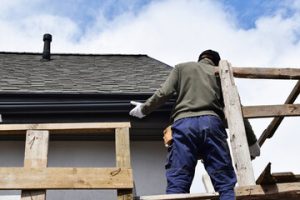
Important Questions to Ask Potential Gutter Contractors

Gutters are designed to prevent water from pooling on the roof, which can lead to rot, mold growth, and foundation leaks. Professional gutter installation is key to a well-functioning system that safeguards your home.

Gutter Services

Understanding the basics of gutter systems will help you understand why hiring a professional is so important. Licensed and insured roofing contractors know how to properly install and maintain gutters, protecting your home for years.

Whether you’re replacing a gutter system or installing them for the first time, it takes specialized training and experience to ensure a seamless and watertight installation. Choosing the right gutter contractor can make all the difference between a successful project and one that leaves you with leaks and other problems later on. To help you select the right gutter contractor for your job, here are some of the most important questions to ask potential gutter contractors.

Gutter installation requires precision and attention to detail, involving a complete system of gutters, downspout outlets, and downspout extensions that work together to channel water effectively. In addition, gutters and downspouts are designed to attach to a roof edge, so the system must be installed correctly to ensure that rainwater drains off your home’s roof without collecting near your foundation or causing structural damage.

Proper gutter installation includes calculating the slope of your roof and determining the number of downspouts required for each section of your home’s roofline. If the system is not properly installed, it will clog and overflow, leading to water damage and potentially compromising the integrity of your roof structure and the foundation of your house. According to M&E Painting and Roofing, homeowners with clogged or poorly functioning gutters should be aware of the potential for leaks throughout their homes, including at the fascia board and in the foundation.

Installing downspouts involves using a gutter apron and installing downspout outlet fittings. Gutter aprons are available in many different lengths, and the installer must carefully measure the location of each outlet fitting before cutting the gutter to size with tin snips or a chisel. A downspout strainer can also be installed at the top of a downspout to prevent debris from entering.

Once the gutters are installed, they must be secured to the fascia boards with screws or nails, and a gutter lap sealer is used to ensure a watertight seam. The gutter installer should inspect the installation for any gaps or miscalculations, and if necessary, additional sealant can be applied. If you’re interested in having new gutters installed, be sure to contact a professional gutter installation company for a free estimate.

Time

Gutter installation is a labor-intensive task that requires careful attention to detail. The timeline can vary based on factors like home size and roof design, as well as weather conditions. Hiring a professional contractor ensures the work is done right, saving homeowners from future gutter issues and costly repairs.

The first step in the process is assessing and prepping the area. This includes clearing the work area and removing any existing gutters. Next, the gutters are custom-cut and securely mounted to ensure a perfect fit. Then, downspouts are attached to guide rainwater away from the foundation. Finally, the entire project is inspected and cleaned up.

During the process, a gutter specialist will evaluate your roofline and take measurements to determine the type and number of gutters needed. Then, they will discuss material options with you and provide a quote. A quality gutter system protects your fascia boards from water damage and helps prevent erosion around the home, preserving its integrity for longer.

Once the gutters are installed, they must be secured to the soffits and fascia boards with hidden brackets and fasteners. This method provides a clean, attractive appearance and helps ensure long-term performance. Gutter outlet fittings are then added, and they may be fastened with either short sheetmetal screws or pop rivets. The latter are more time-consuming to install, but they leave no sharp piunts inside the gutter and are easier to remove when necessary. The final step is caulking the gutters, which protects them from leaks and seals the joints between sections.

Gutter installation can take one to two days, depending on your home’s size and roof design. If you’re replacing an old gutter system, the process may take longer to remove the old gutters and dismantle the downspouts. The length of your roof also influences the amount of time it takes to install a new gutter system, as steeper slopes necessitate additional safety precautions and equipment.

Inclement weather can delay gutter installation because working at heights in wet conditions is unsafe and may require extra safety measures. Unpredictable elements like these underscore the importance of clear communication with your installer and patience throughout the project.

Safety

Gutter installation is a hazardous job that requires adherence to strict safety protocols. It is essential that homeowners understand the dangers of this project and take steps to protect themselves, their families, and neighbors from potential accidents.

Proper preparation is the most important aspect of gutter installation, and begins with a comprehensive evaluation of the work area. Identifying any potential hazards is crucial, including the location of overhead power lines and the presence of tree branches that could fall during installation. Taking precautionary measures is essential, as well, such as wearing gloves when handling ladders and making sure that all components are secure. It is also a good idea to take frequent breaks to prevent fatigue, and hydrate frequently to avoid heat exhaustion.

The next step is to gather all necessary tools and equipment. This includes a ladder that is stable and capable of supporting one’s weight, along with the necessary gutter supplies. Having all of these items nearby minimizes time spent searching for a tool while on the ladder. It’s also a good idea to purchase ladder stabilizer bars to ensure that the gutter system stays secure while being installed.

A high-quality gutter system will include a wide-mouth outlet, slip-joint splice fittings and downspout elbows, and a tube of lap sealer. Depending on the material, gutter systems may also come in different colors, and touch-up paint is readily available to ensure a uniform appearance.

Finally, it’s important to assess one’s physical fitness and comfort level with heights before attempting gutter installation. This can help to avoid complications such as vertigo or acrophobia, which could require professional intervention.

Homeowners can further reduce the risk of injuries during gutter installation by scheduling their project during good weather conditions. Rain or strong winds can make ladder stability an issue and disrupt the installation process. This is not only unsafe for the homeowner, but can impact the quality of the finished product. Homeowners should consider this factor when establishing an installation timeline, and be flexible with their timelines if adverse weather conditions occur. A thorough inspection should be conducted upon completion of the gutter installation, as well, to ensure that all components are securely fastened.

Warranty

Gutters can be a cost-effective way to protect your home, but they must be installed correctly for them to work. That’s why it’s important to choose a company that offers a workmanship warranty. This guarantee should cover any damage that occurs as a result of the gutter installation process. It should also provide peace of mind that the job will be done right.

Gutter warranties are typically offered by both the manufacturer and the installer, but they differ in terms of what is covered. Manufacturer warranties focus on the materials used in the gutters, while installation warranties cover any issues with the work itself. Both should be considered when choosing a contractor, and both should be reviewed carefully before signing any contract.

A good gutter system works to direct water away from the foundation of your home, protecting your walls and roof from moisture damage. Properly-installed gutters, downspout outlets, and downspout extensions ensure that the entire system channels water effectively. Professional installation helps prevent water damage to fascia boards and other areas of your home, saving you money on costly repairs.

A quality gutter system should last for a long time, but it’s important to keep in mind that unforeseen events can cause problems with the product. It’s therefore essential to consider a warranty that covers accidental damages caused by severe weather conditions or acts of nature.

When selecting a gutter contractor, it’s important to choose a company with years of experience and a proven track record. A company with extensive experience is likely to be able to offer more comprehensive warranties than one without such history. Additionally, a company with a track record of providing exceptional service is more likely to stand behind the products and services it provides.